Keynote Speakers
 Jon Steinman is a food systems thinker, author, and educator with a 25-year career shaping how communities engage with food. From the soil to the shelf — from community farms to co-operative groceries — his work revolves around a single question: what if our food supply chains put people, health, and communities first? As the author of Grocery Story: The Promise of Food Co-ops in the Age of Grocery Giants, Jon’s work continues to strengthen and amplify the importance of community stewardship of independent grocery stores.
A former board president of the Kootenay Co-op — Canada's largest natural foods co-op — Jon now leads Grocery Story Press — publisher of This Could Be Ours, the Food Co-op Finder app, and a growing suite of webinars and resources for retail grocery co-ops across the U.S. and Canada.
Jon is also known as the voice behind Deconstructing Dinner — once Canada's most-listened-to food podcast and radio program, and later an award-winning television series. From grain co-ops to cohousing communities, to food documentary film festivals, Jon's many projects all share one ingredient: a belief that food can bring communities together.
In his opening keynote for the 2026 National Rural Grocery Summit, Jon will explore how rural grocery owners and stakeholders can more effectively communicate their essential value to customers, communities, policymakers, funders, and partners. In a sector shaped by increasing consolidation, shrinking margins, and shifting consumer habits, how do we preserve and strengthen independent grocery stores—not just as places to buy food, but as foundational community assets? Jon’s presentation will trace 125 years of grocery retail history to reveal how competition law, price-driven culture, and policy neglect have made it nearly impossible for independents to thrive by playing the same game as the dominant grocers. If rural grocers are to survive and flourish, they must stop trying to win on the same terms—and instead, change the terms of engagement.
 Rebecca Undem has always been passionate about two things: people and talking to people. As an inspirational speaker, community advocate, and host of the podcast The Growing Small Towns Show, she's put her gift of gab to good use.
As Founder and Executive Director of Growing Small Towns, a regional non-profit organization, Rebecca helps the communities in southeast North Dakota be places people love to call home through programs that grow their human, social, and cultural capital.
Not one to let people down, Rebecca still lives up to her childhood label of drama queen. She binges on Netflix shows, coffee, and anything that makes her feel verklempt—her self-declared favorite feeling. Rebecca went against her youthful declarations and married a farmer, Jeremiah, and together, they have three amazing kids: Andrew, Carter, and Brynlee. They love their small town and the crazy-good life they get to live there.
In her keynote at the 2026 National Rural Grocery Summit, Rebecca will explore how grocery stores serve as community hubs. Local grocery stores are critical to the success of small communities. Access to high-quality food is a huge determining factor in guiding a person's decision to choose a place to live. Today, more than ever, rural grocery stores have unique opportunities to position themselves as community hubs, offering more than simple food access. In her keynote, Rebecca will explore the connections between the store and the broader community. By attending, you will rediscover the competitive advantages of being small and locally owned, explore the generational shifts at play in the workforce, learn strategies to engage the newest generation of workers and residents, and explore new ways of collaborating within your community.
Securing the Store's Next Chapter: Transition Planning in Rural Grocery
Across the country, 2.9 million businesses are operated by individuals at or near retirement age, signaling a significant shift in business ownership on the horizon. Rural grocery stores are no exception. Grocers in these communities face distinct and complex challenges as they plan to exit their business and ensure their towns retain a vibrant, locally owned store. This keynote panel will lift up three rural grocers who are actively integrating transition planning into the successful operation of their store, offering practical insights on how to prepare the future while sustaining the store today.
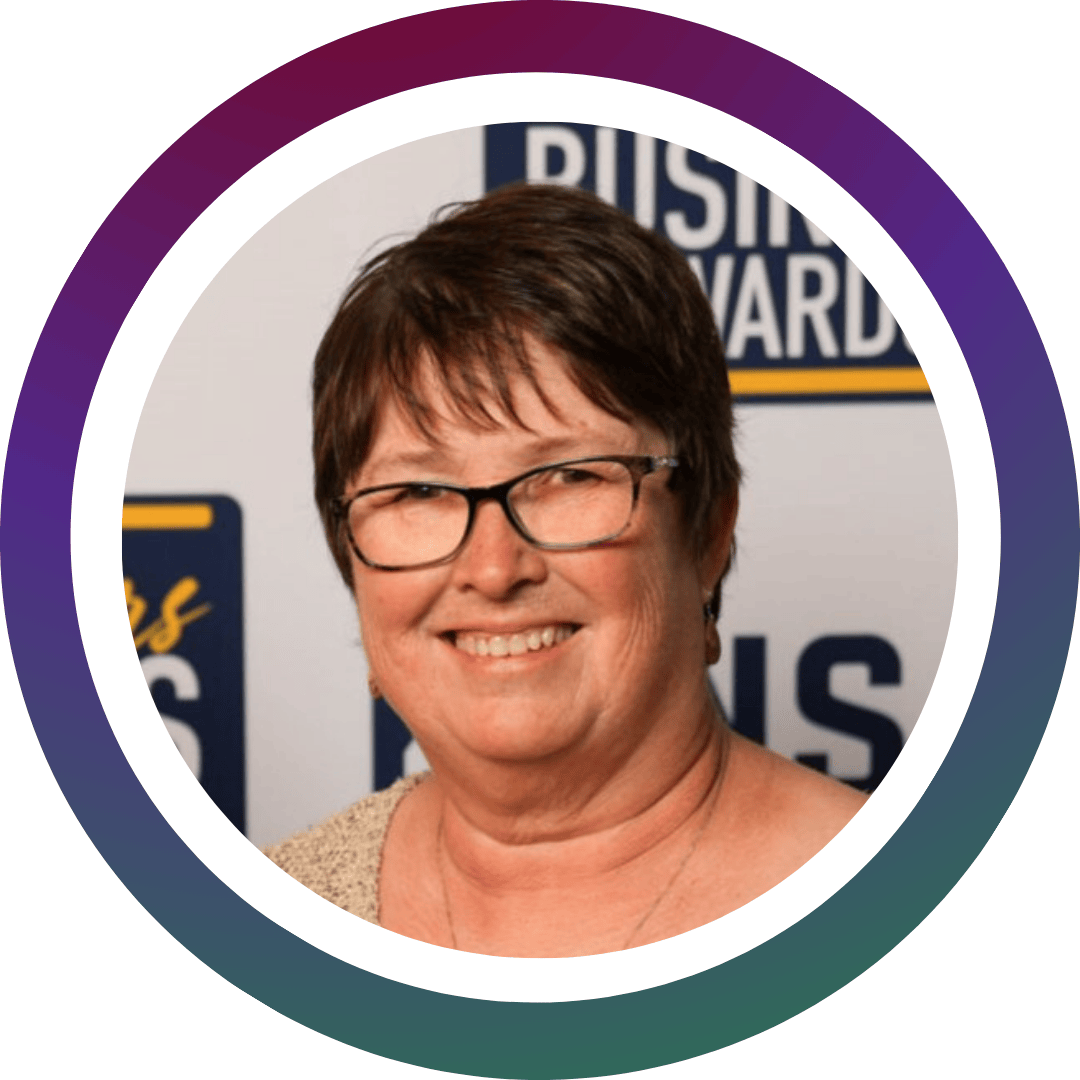 Regena Lance is the co-owner and operator of the Mildred Store in Mildred, Kansas. Regena has a background in education and has been an educator for over 20 years. Growing up in a rural community, she understands the importance of the rural grocery store to her own community. When the local store was set to close in 2014, Regena and her husband Loren intervened and have a thriving store in a town of 17 people.
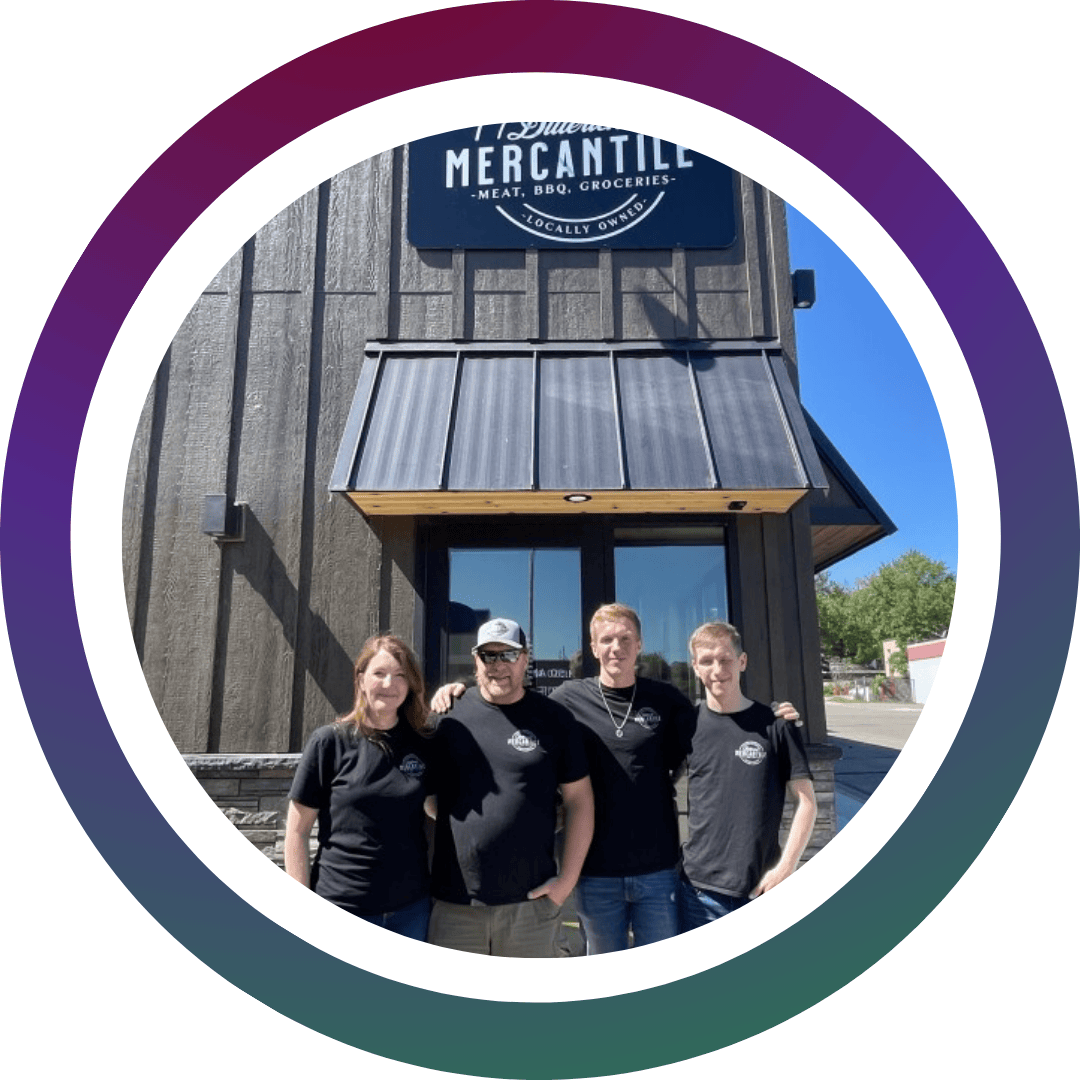 DuWayne Ditterich is the owner of Ditterich Mercantile in Vergas, MN. DuWayne started farming his family's land in west central Minnesota in 2007. In 2013, with row crop prices declining, they transitioned to beef. A few years later, they opened a small meat store on their farm and in 2022 they took it to the next level by opening a brick-and-mortar grocery store.
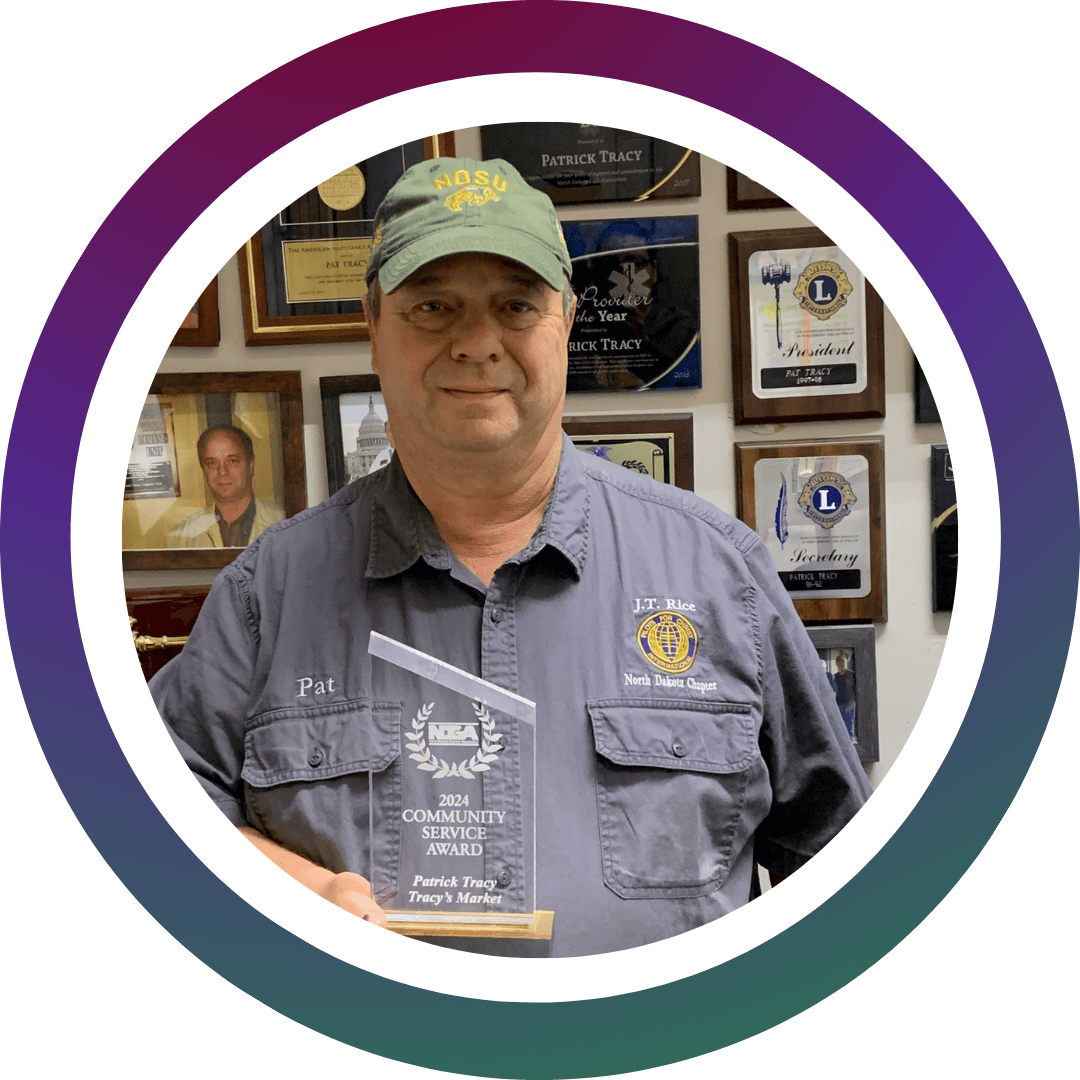 Pat Tracy is the owner of Tracy's Market in Maddock, North Dakota. Originally from Watertown, South Dakota, Pat and Debbie Tracy were living in Everett, Washington when they decided they wanted to move back to the Dakotas. They found an advertisement in the Everett Newspaper for a small grocery store in Leeds, North Dakota. In 1989, they bought the store sight unseen and moved to North Dakota where they still operate the grocery store in Maddock.
 Carly Whorton is a grocery consultant and transition coach. Carly's experience in rural grocery began in 2017 when she joined forces with her cousin to open Cecil K's Hometworn Market in their hometown of Holton, Kansas. Together, they later grew the business with a second location before Carly exited the business in 2023. Since 2021, she has served in a grocery consulting capacity where she combines her grocery expertise, background in change management, and passion for depth psychology.
Across State Lines: Rural Grocery Policy in Action
In recent years, state legislatures have shown growing interest in supporting rural grocery stores through policy. In 2023, Illinois allocated $20 million for grants and technical assistance for independent grocers, while North Dakota’s Legislative Assembly established the Rural Grocery Store Sustainability Grant Program to assist small-town stores. Both efforts were the result of years of relationship-building, data collection, and clear communication. More recently, in neighboring states of Iowa and Nebraska, the Center for Rural Affairs has spearheaded legislatives efforts to support rural grocery stores in both states. This keynote panel will explore the strategy behind this work - from identifying legislative champions to drafting effective policy language and navigating the legislative process.
 Audra Espinoza is the Senior Nebraska State Policy Manager for the Center for Rural Affairs, advocating at the state level for policies that support rural communities. A lifelong resident of Hastings, Nebraska, she previously led community engagement and communications work with the United Way of South Central Nebraska and the Hastings Public Library. Audra holds her bachelor’s degree in political science (Magna Cum Laude) from Hastings College and a Master of Public Administration from the University of Nebraska-Omaha.
.
 Cynthia Farmer is the Iowa State Policy Manager, leading state policy efforts in Iowa for the Center for Rural Affairs. She grew up on her family’s 60-cow dairy farm in northeast Iowa, where she attributes her interest and curiosity to rural communities and Iowa’s food system. Cynthia attended Iowa State University double-majoring in agriculture policy and dairy science, and received her B.S degree in 2021.
 Carlie Jonas is a Policy Associate at the Center for Rural Affairs, focusing on Nebraska state policy and championing issues spanning food access, health care, and economic development. She holds a bachelor’s degree in history from Nebraska Wesleyan University and a graduate certificate in public management from the University of Nebraska at Omaha. Before joining CFRA, she worked in roles at the Natural Resources Conservation Service, Heartland Family Service, and in grassroots voter turnout efforts, and she currently serves on the Wahoo Public Library Board of Directors.
.
 Deborah Solie is a Senior Project Associate at the Center for Rural Affairs, where she partners with rural communities to address environmental challenges and strengthen local food systems through initiatives like farmers markets, food hubs, and support for rural grocery stores. With a bachelor’s degree in agricultural communications (and minors in agricultural economics and art history) from Oklahoma State University, and graduate coursework in rural sociology, negotiation, and natural resource management, she brings a diverse interdisciplinary perspective to her work. Having worked previously in higher education, alumni relations, and community development (including flood recovery efforts), Deborah draws on a rich professional background to support resilient and vibrant rural communities.